Help is available! Each wildlife rehabilitator is only going to be licensed and equipped to care for certain species so it is important to contact the right facility. Find the right facility for your species and location below. If you are unsure what species you have, or aren’t sure who to contact, call or text our hospital at 314-337-8889. Please note that wildlife rehabilitation facilities are not usually open 24/7. If you are unable to reach someone, please leave a message so they can call you back. If you are comfortable doing so, you can try to contain the injured animal to keep it safe from further injury until you are able to get a hold of a licensed rehabilitator.
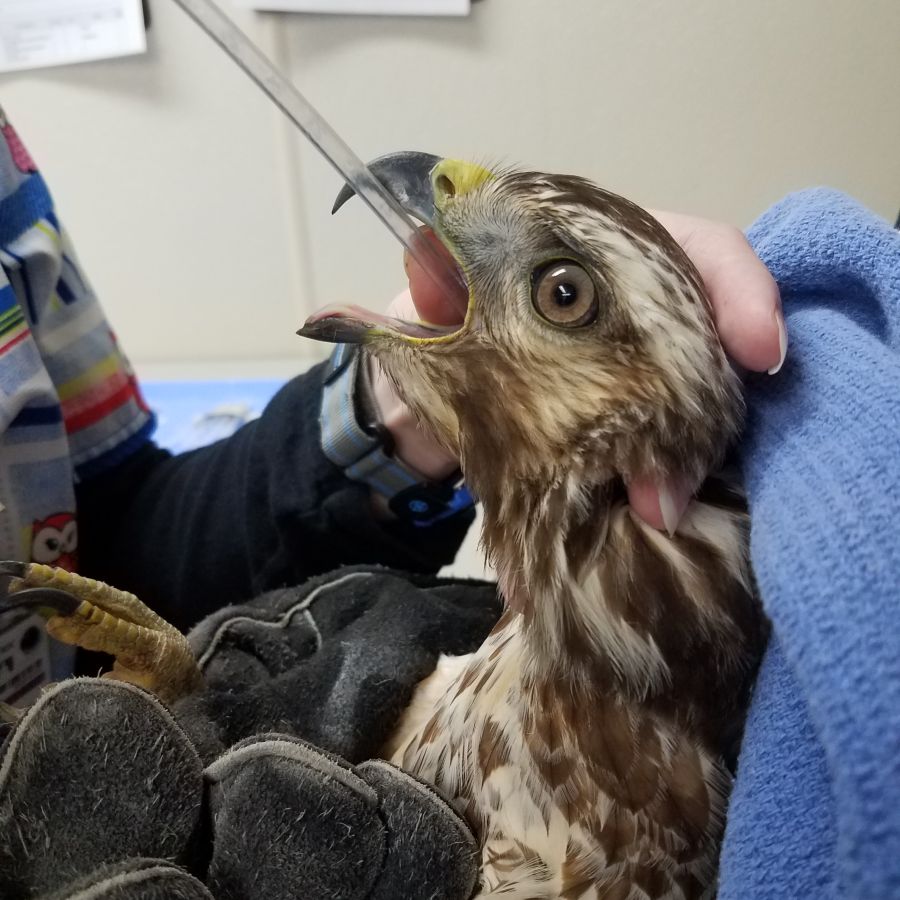
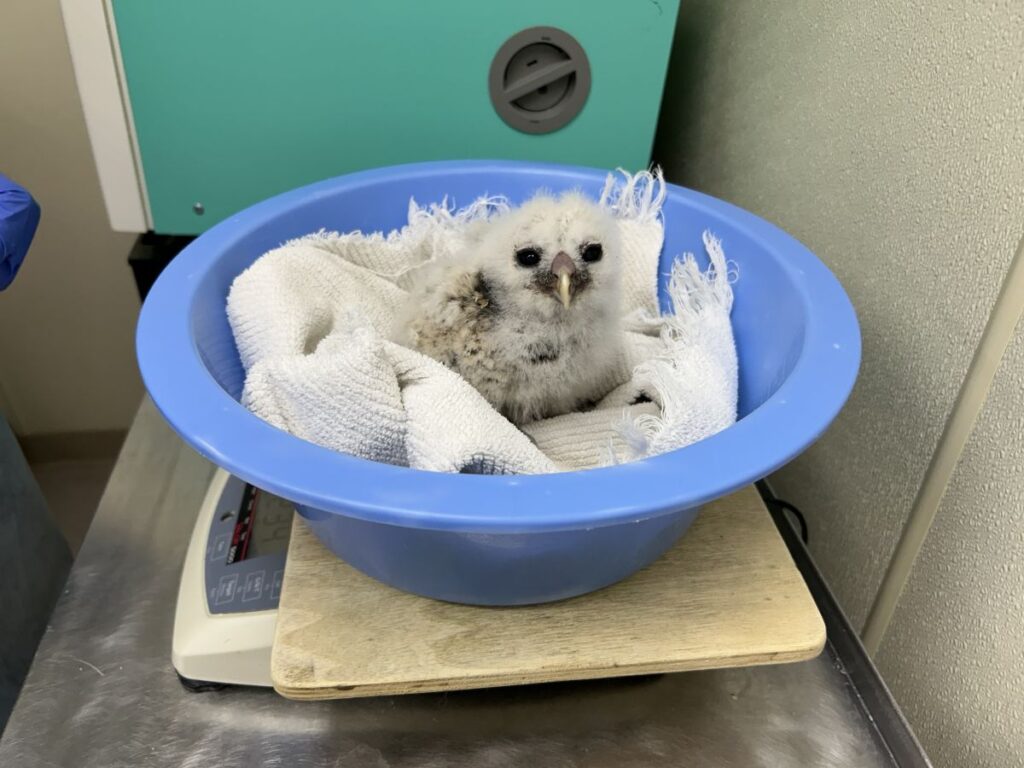
Find a licensed wildlife rehabilitator near you through Animal Help Now. Wildlife rehabilitation is a free public service, and donations are always appreciated to help cover the cost of care.
If you’ve found an injured or orphaned animal, call a rehabilitator right away to get it help. The sooner an animal gets care, the more likely is that their injuries can be successfully treated. It is also illegal to try and rehabilitate wildlife without a license and trying to do so usually results in poor outcomes for the animal. If you aren’t sure if an animal is injured or orphaned, a rehabilitator can help assess the situation to determine if the animal needs help or not. Some signs that a bird needs help are:
Rehabilitators will only be able to accept the animals they are licensed for. If you are unsure what type of bird you have and where it needs to go for help, text a photo of it to our hospital at 314-337-8889 for us to help you identify it. Our rehabilitation hospital is only permitted and equipped to take birds of prey. This includes all species of hawks, eagles, owls, falcons, vultures, kites, harriers, and osprey.
If you’ve found an injured raptor, contact our Raptor Hospital for guidance before attempting to handle or contain the bird. If you are unable to reach us right away, leave a message so we can call you back. If you can safely do so, the steps below can help you contain the bird and keep it secure until you are able to get it to a licensed rehabilitator.
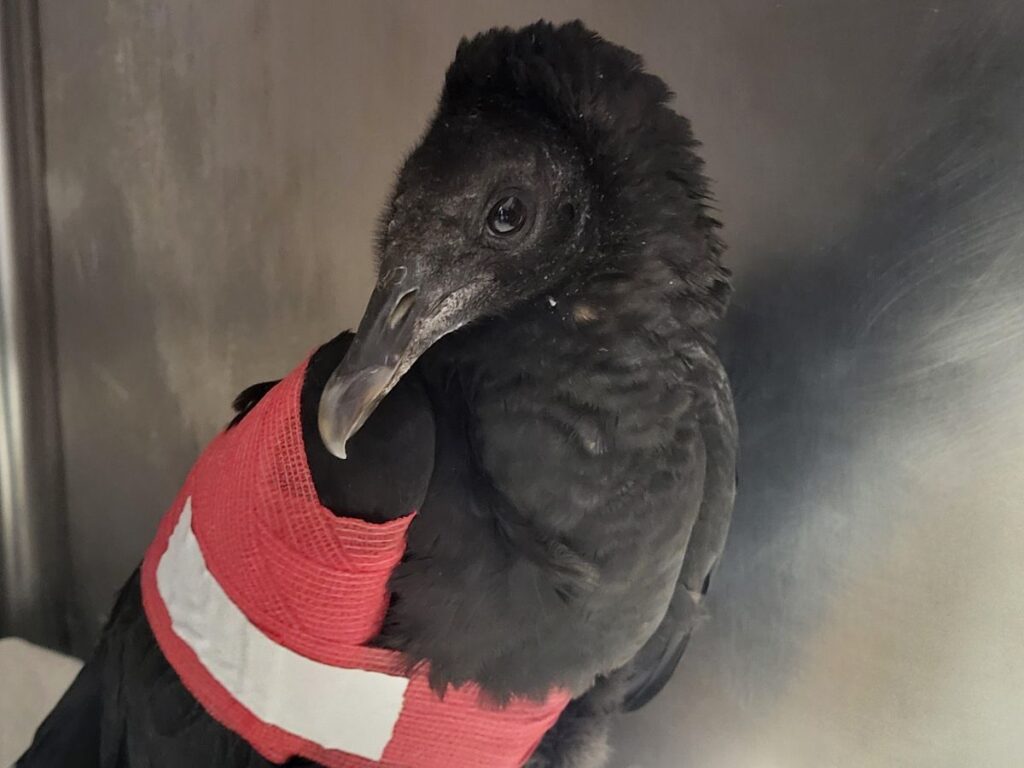
Become a hero to our feathered friends and experience the joy of saving lives and protecting our planet. Join the Rescuer’s Giving Club and elevate your impact on the lives of sick and injured raptors!

WBS Giving Day is October 7–8. You can make your gift today.