Raptor Hospital

Raptor Rehabilitation

Caring for Injured Raptors Since 1977

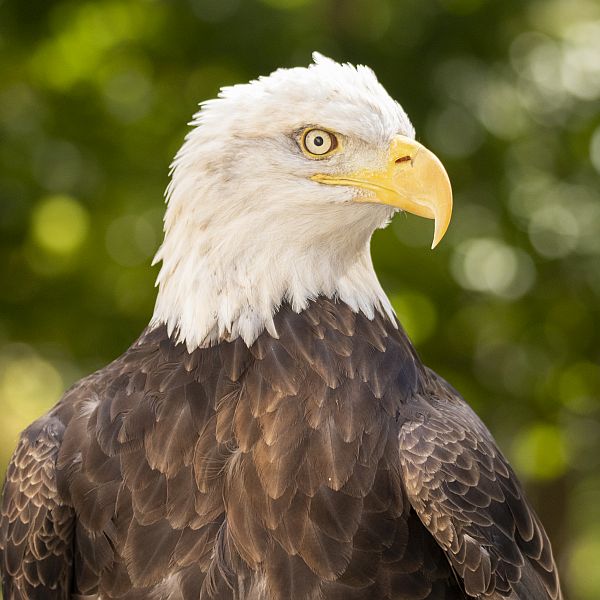
Our rehabilitation hospital has been treating injured wild raptors from the greater St. Louis area since our founding in 1977. What started as a small rescue out of our founder’s home has grown into one of the largest raptor rehabilitation centers in North America. Each year, our hospital sees over 750 injured raptors from up to a 3 hour rescue radius around St. Louis. Our hospital treats these birds for their injuries before releasing them back to their native habitats.

Found an Injured Animal?

Find out what to do and how to get help.

Checking on a Patient?

View current patient records and updates.

Giving Every Patient Their Best Chance at Recovery

Over 80% of the patients admitted to our hospital are injured as a direct result of human activities. Hit by vehicle is our most common cause of injury, but we also see large numbers of raptors injured due to window collisions, lead poisoning, rodenticide toxicity, gunshot wounds, nest destruction, domestic cat or dog attacks, electrocutions, and entanglements in barbed wire, fishing line, or sport nets.

Our hospital staff includes five licensed wildlife rehabilitators and a wildlife veterinarian. Thanks to their expertise, we can treat a variety of injuries and illnesses such as fractures, head trauma, poisonings, emaciation, eye injuries, avian diseases, and more! Our hospital is fully equipped to give each patient their best shot at recovery.

How We Care for Our Patients

Patient Assessment

A thorough exam is the first part of assessing a new patient.
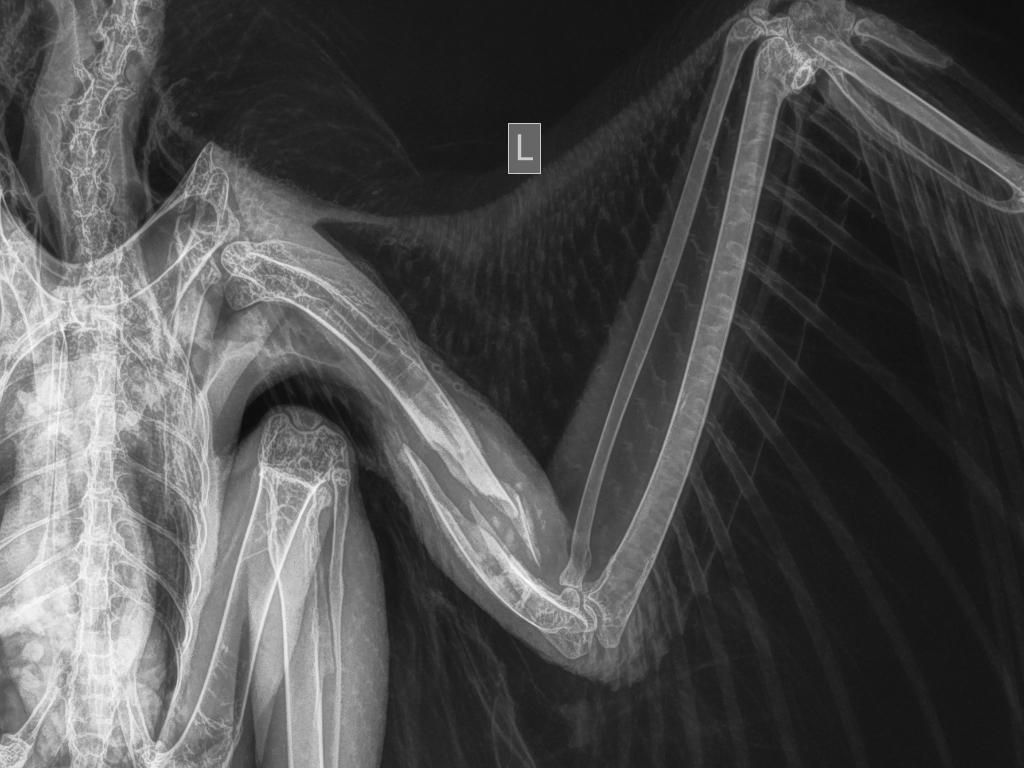
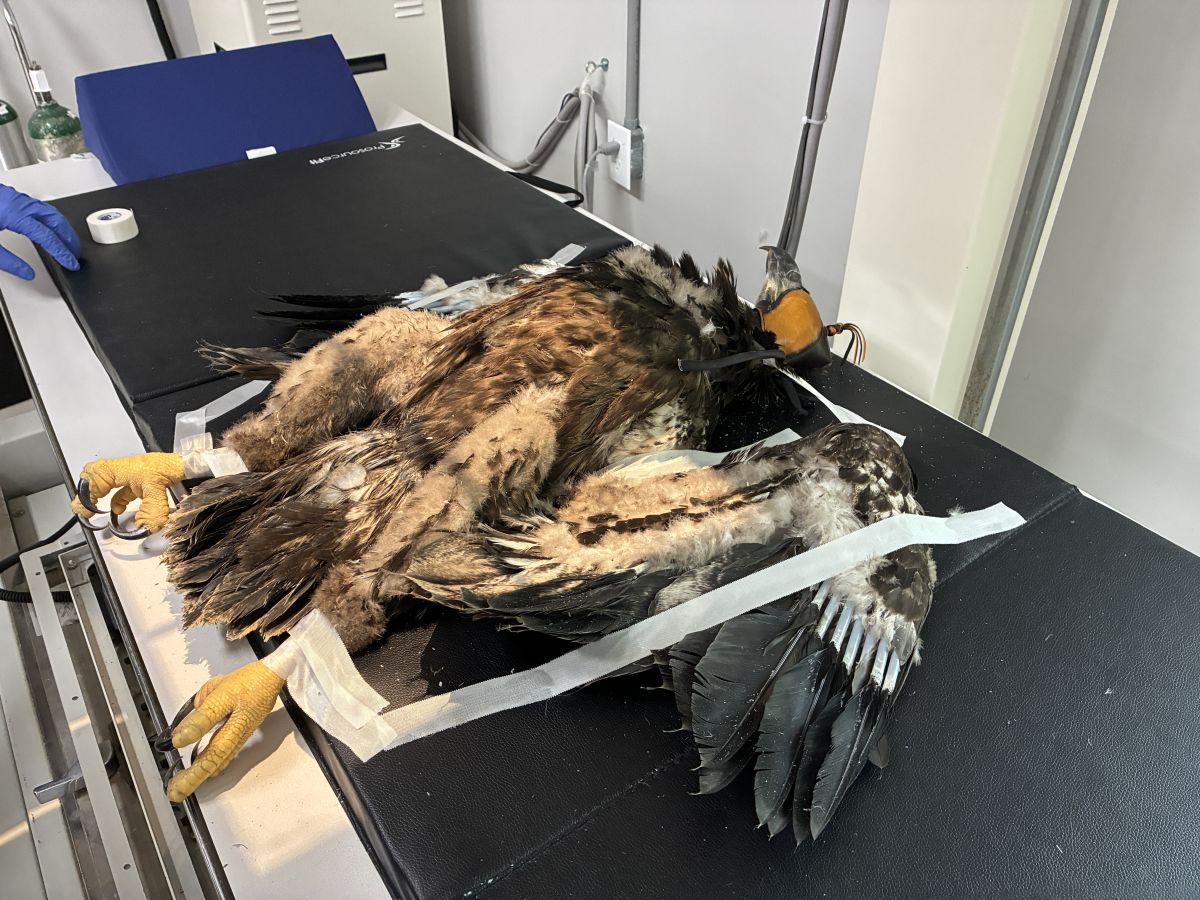
Diagnostic Imaging

Radiographic equipment gives us a detailed look at each fracture, and X-rays are part of our intake procedures.
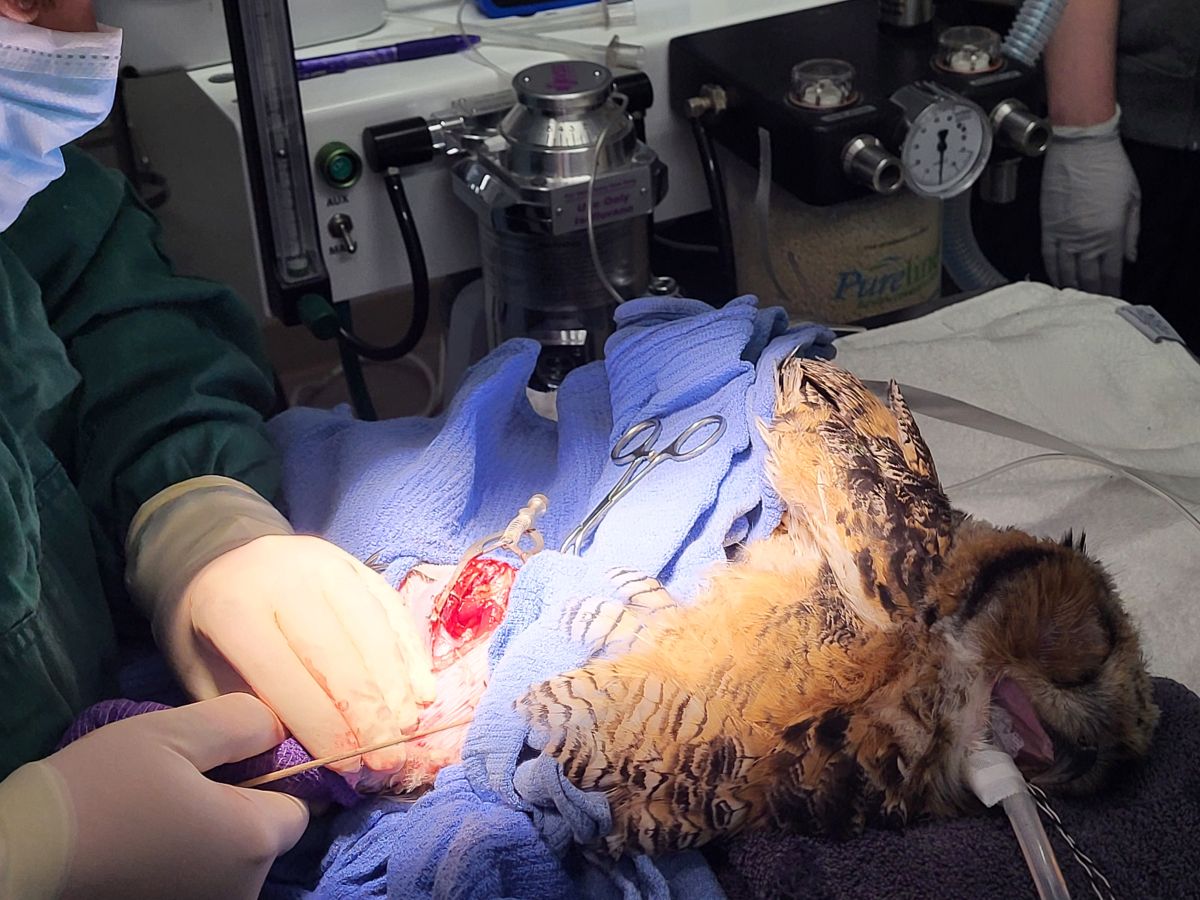
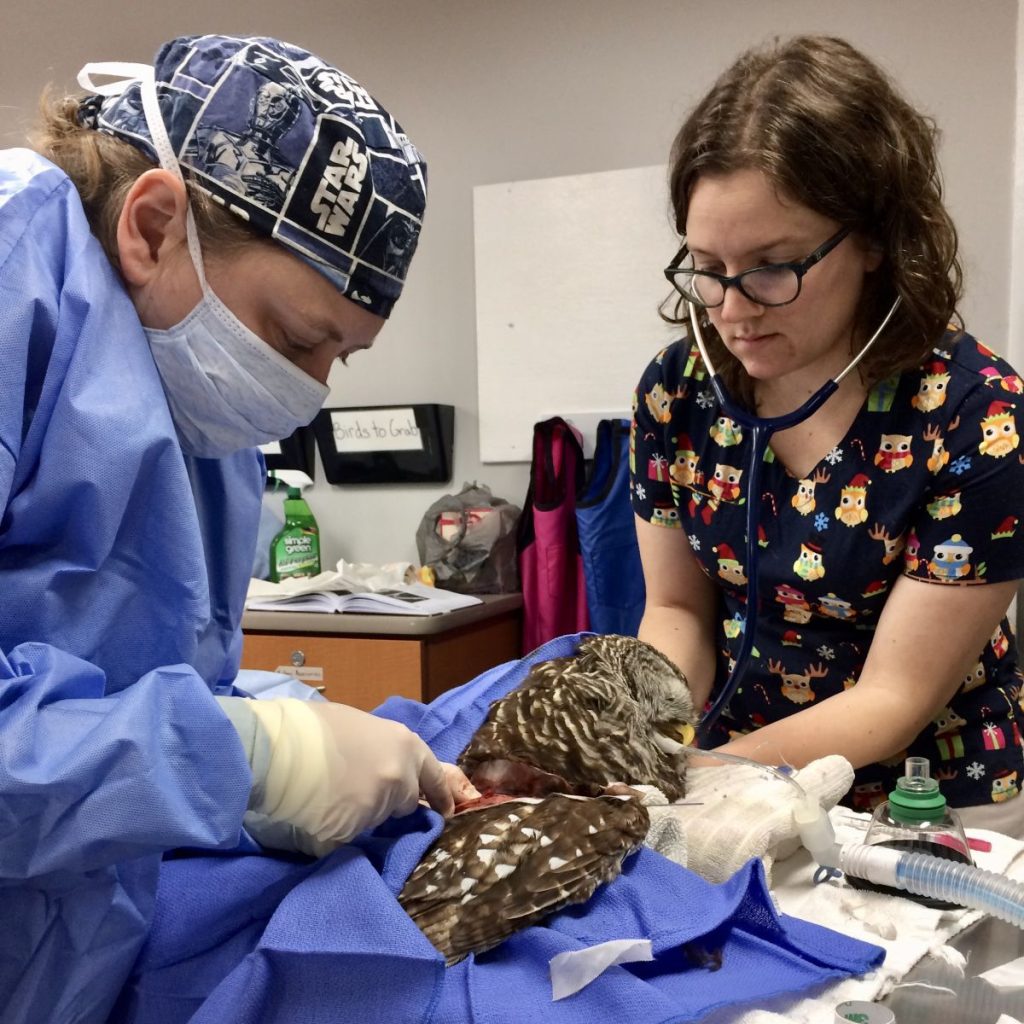
Surgical Care

Surgical equipment allows our vet to repair more severe fractures and soft tissue wounds.
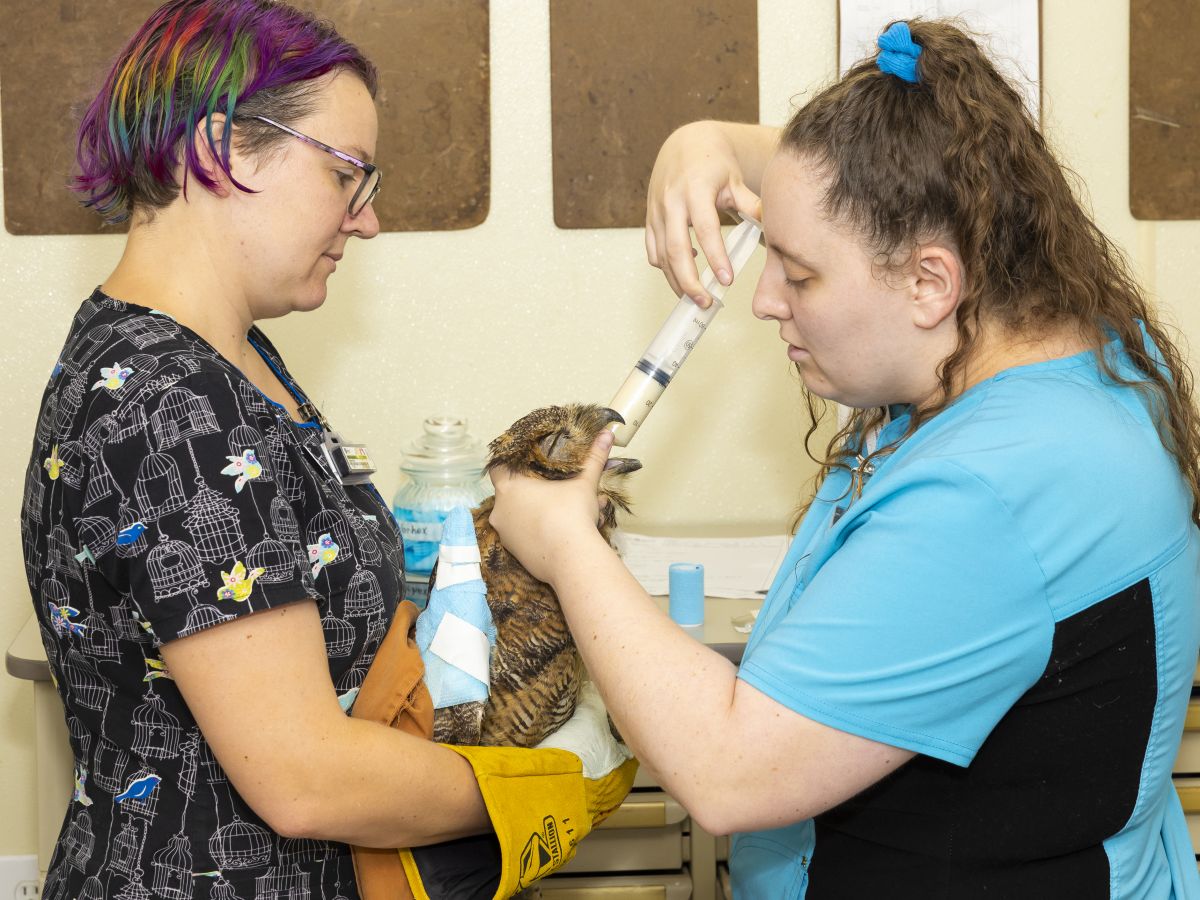
In-House Lab

Bloodwork allows us to test for infections, lead and rodenticide poisoning for timely treatment.
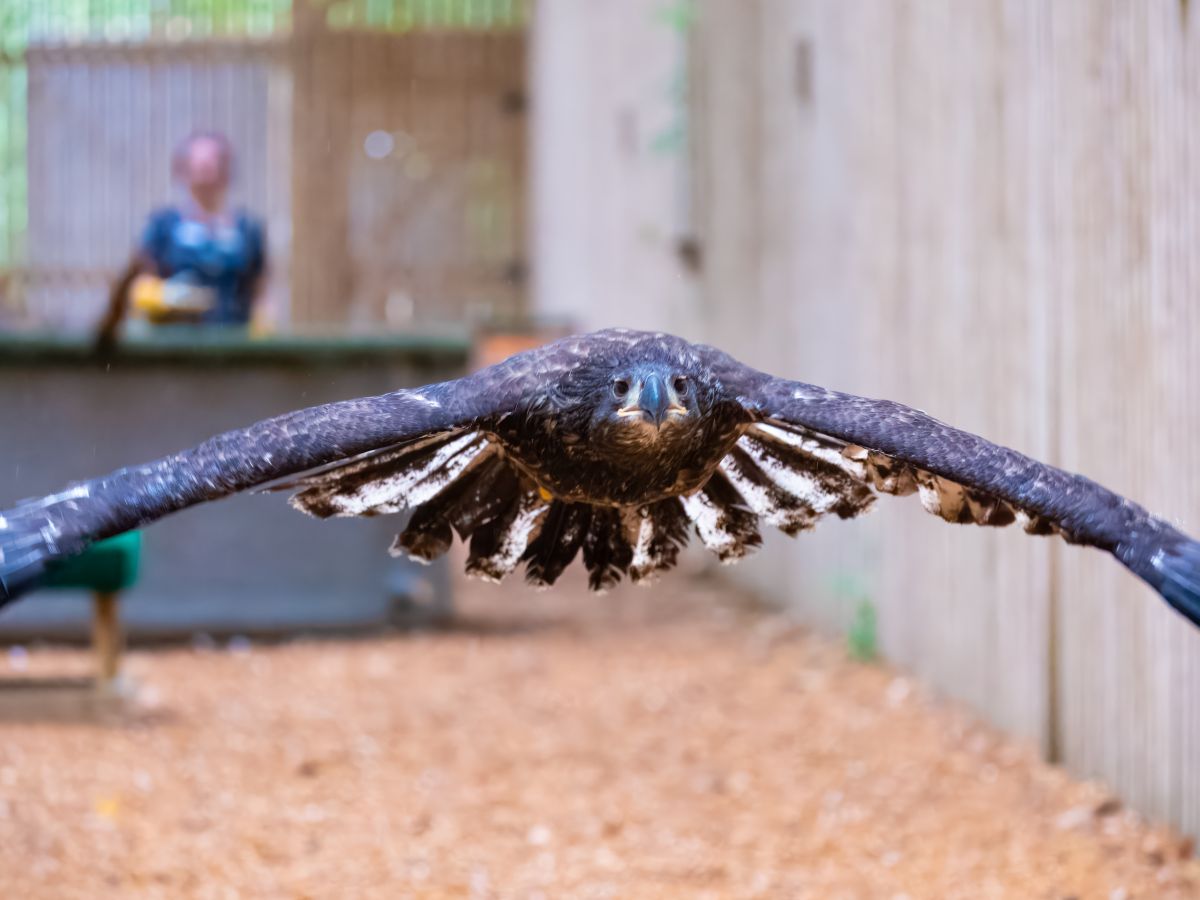
Flight Conditioning

Flight conditioning aviaries give patients plenty of space to rebuild muscle prior to release.
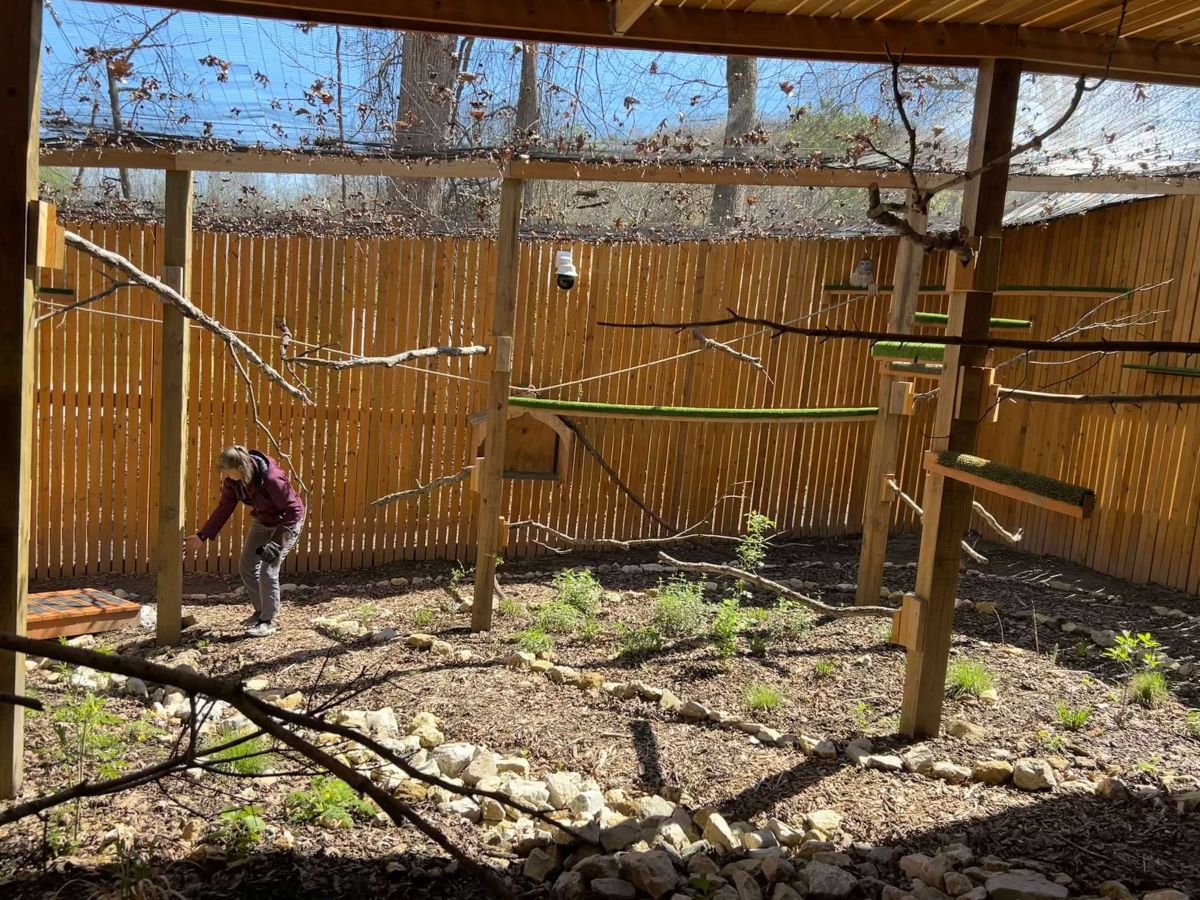
Foster Forest

Injured and orphaned babies are raised in naturalistic aviaries by foster parents until they are ready for release.
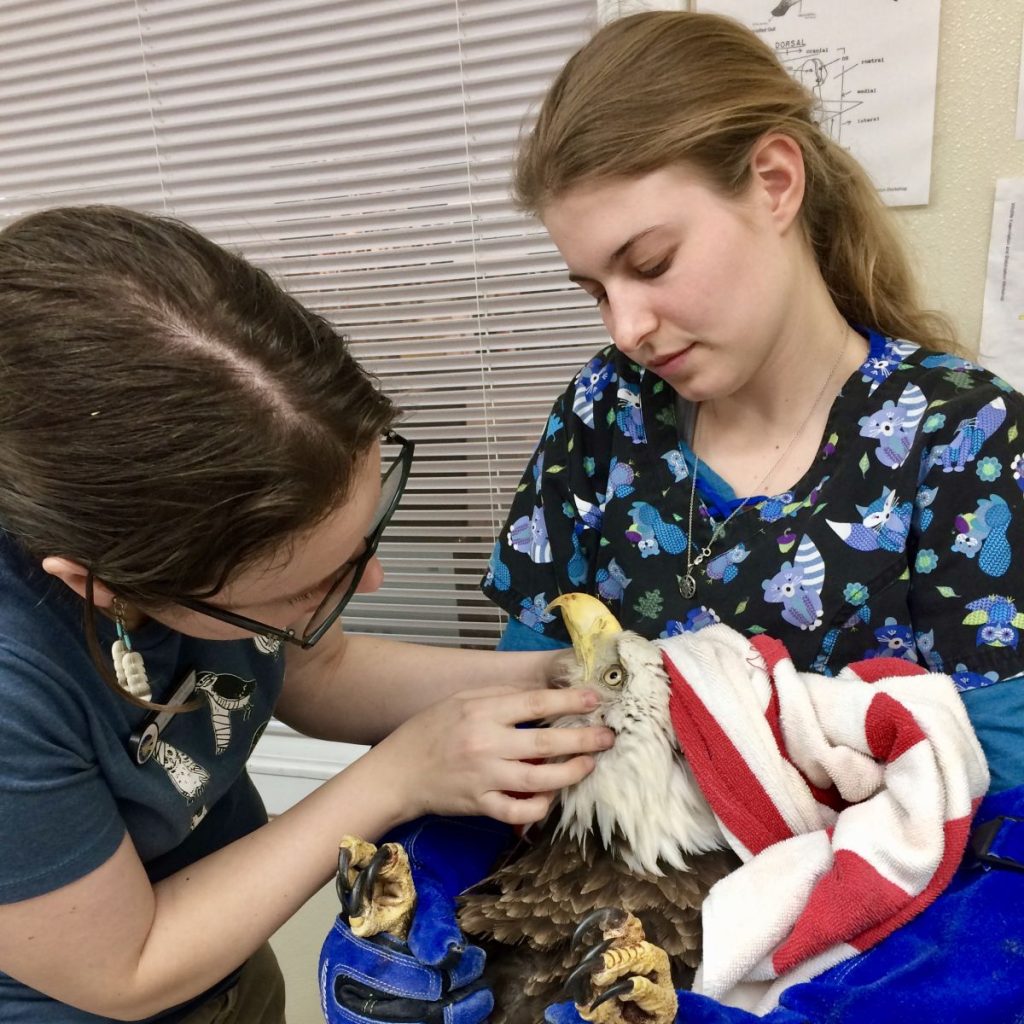
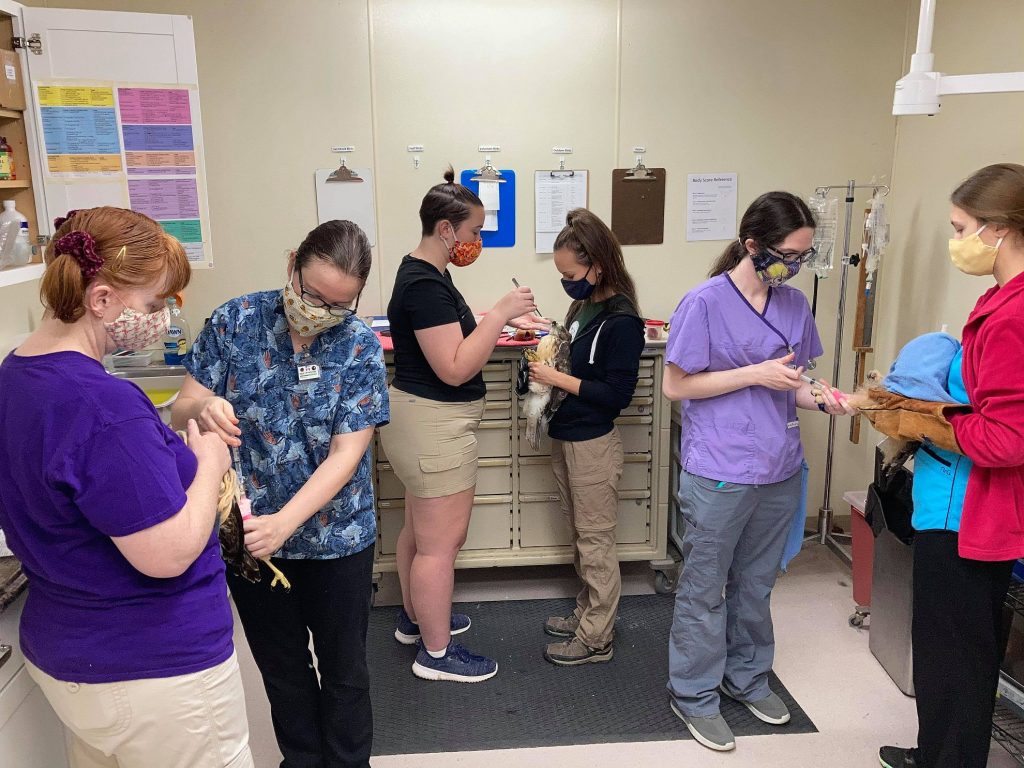
In order to allow our patients to rest and recover, our hospital is closed to the public outside limited special tours. However, you can learn more about our patients by reading our current patient records here. The details of the daily care provided to each patient can be found in these records. You can also get a behind the scenes look at some of our patients on our 24/7 live stream.

Watch our patients live, 24/7

Get Involved in Our Hospital

Looking to get involved in our hospital? We offer multiple volunteer and internship opportunities. Volunteers can choose to help with our daily patient care and operations and/or join our rescue and transport group to help bring in injured birds. Our full-time internships are designed for those looking to become wildlife rehabilitators and build the foundational skills needed to enter the field.

Supporting Our Raptor Hospital

The rehabilitation services provided by our hospital are a free public service. However, we receive no government funding and instead rely on donations from the public to ensure that each raptor in need can receive the best possible care. Those wishing to provide ongoing support to our hospital can become members of our Rescuer’s Giving Club.

You can also support our hospital by purchasing supplies from our wishlist, buying gift cards for raptor food, or donating. If you are interested in a larger contribution, such as sponsoring a new flight aviary or medical equipment, reach out to rholloway@worldbirdsanctuary.org to learn about our current sponsorship opportunities.

Support Us

Rescuer's Giving Club

Become a hero to our feathered friends and experience the joy of saving lives and protecting our planet. Join the Rescuer’s Giving Club and elevate your impact on the lives of sick and injured raptors!